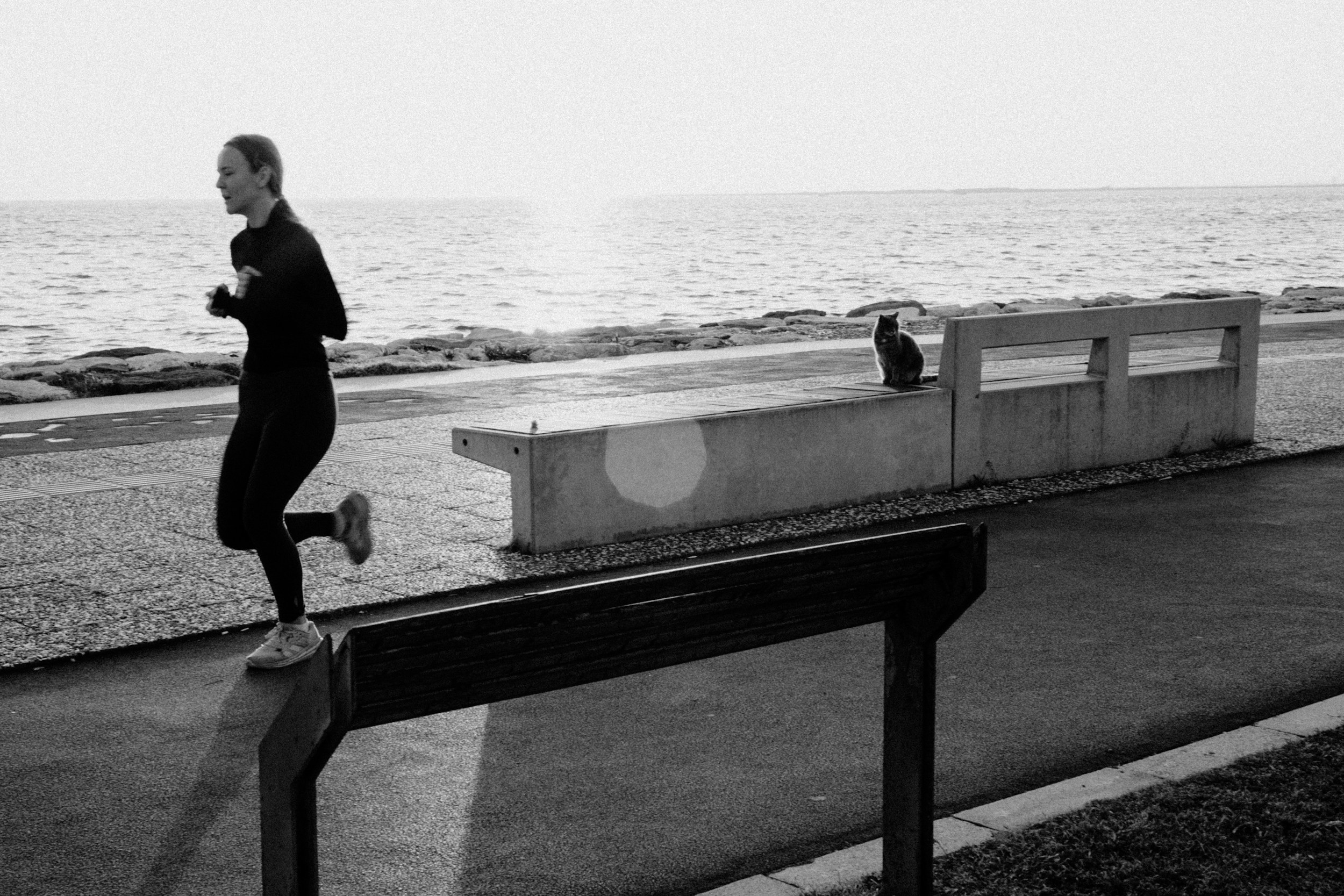
We talk a lot about what to eat for gut health — fermented foods, fibre, probiotics. But one of the most powerful tools for your microbiome isn't on your plate at all. It's how you move your body.
Research over the last decade has made something clear: regular physical activity can meaningfully change the composition of your gut bacteria, reduce inflammation, improve bowel regularity, and even ease symptoms of IBS. The catch? The type, intensity, and amount of exercise matters more than most people realise.
Let's break down exactly what works — and what doesn't.
Why Exercise Matters for Your Gut
Your gut microbiome isn't static. It responds to everything — stress, sleep, diet, medications, and yes, movement. When you exercise regularly, you create a cascade of physiological changes that bacteria actually respond to.
Here's what's happening under the hood:
- Increased microbial diversity: Studies consistently show that active people have a greater variety of gut bacteria compared to sedentary individuals. More diversity is generally associated with better health outcomes.
- Boosted short-chain fatty acid (SCFA) production: Exercise encourages bacteria that produce butyrate and other SCFAs — compounds that feed the gut lining, reduce inflammation, and support immune function.
- Faster gut transit time: Movement literally speeds up how quickly food moves through your digestive tract, reducing the time harmful compounds sit in your colon.
- Lower systemic inflammation: Chronic low-grade inflammation is a driver of gut dysfunction. Moderate exercise is one of the most effective anti-inflammatory interventions we know of.
Key study to know: A 2019 review in Frontiers in Physiology found that exercise — independent of diet — increased populations of beneficial bacteria like Lactobacillus and Bifidobacterium, and reduced pathogenic strains.
The Best Exercises for Gut Health
Not all movement is created equal when it comes to your digestive system. Here are the types with the strongest evidence behind them.
1. Moderate Aerobic Exercise (Your Best Friend)
Brisk walking, jogging, cycling, swimming, and dancing all fall into this category. This is the sweet spot for gut health. Moderate aerobic exercise raises your heart rate without pushing your body into a stress state, and it has the most consistent evidence for improving microbial diversity and reducing constipation.
A landmark study from the University of Illinois found that six weeks of aerobic exercise (three sessions per week) significantly increased butyrate-producing bacteria in participants — and the benefits reversed when they stopped exercising. This tells us gut benefits require consistency, not just a one-time effort.
2. Yoga and Mind-Body Movement
Yoga deserves a special mention, especially for people with IBS or stress-related gut issues. It works on two levels: the physical postures (particularly twists and forward folds) massage the abdominal organs and encourage bowel movement, while the breathwork and mindfulness directly calm the gut-brain axis.
Several clinical trials have shown yoga to be as effective as a low-FODMAP diet for reducing IBS symptoms in some patients. It's particularly helpful for bloating, cramping, and irregular bowel habits.
3. Strength Training
Resistance exercise — lifting weights, bodyweight training, resistance bands — is often overlooked in gut health conversations, but it earns its place. Strength training improves insulin sensitivity, reduces visceral fat (the fat around your organs that drives gut inflammation), and appears to shift the microbiome toward a more beneficial composition over time.
One study found that resistance training increased populations of Akkermansia muciniphila, a bacterium strongly associated with a healthy gut lining and metabolic health. It won't replace cardio for gut benefits, but it's a powerful complement.
4. Walking After Meals
This one is simple, accessible, and underrated. A short 10-15 minute walk after eating has been shown to significantly speed up gastric emptying — meaning food moves out of your stomach faster, reducing post-meal bloating and discomfort. For people with reflux or a tendency to feel uncomfortably full, this is a genuinely evidence-backed habit.
Try this: A 10-minute walk after your largest meal of the day can reduce post-meal blood sugar spikes by up to 30% and meaningfully ease bloating — no gym required.
How Much Exercise Do You Actually Need?
The good news is you don't need to become an athlete to see gut benefits. The research points to a relatively achievable target:
- 150 minutes of moderate aerobic activity per week — that's around 30 minutes, five days a week, or 22 minutes daily.
- 2 strength training sessions per week targeting major muscle groups.
- Daily movement throughout the day — breaking up long periods of sitting matters independently of structured exercise.
Even people who hit their weekly exercise targets but sit for 8-10 hours a day show worse gut microbiome profiles than those who move more consistently throughout the day. The message from researchers is clear: frequency of movement may matter as much as total volume.
When Exercise Can Harm Your Gut
Here's the part most fitness content skips over. High-intensity or endurance exercise — think marathon training, ultra-distance events, or very intense HIIT sessions several times a week — can actually damage gut health.
During extreme exertion, blood is redirected away from the digestive system to fuel working muscles. Do this repeatedly, and it can cause:
- Leaky gut (intestinal permeability): The gut lining becomes compromised, allowing bacterial fragments to enter the bloodstream.
- Exercise-induced GI distress: Nausea, cramping, diarrhoea, and bloating are extremely common in endurance athletes.
- Dysbiosis: Overtraining raises cortisol, which negatively shifts the microbiome in ways that mirror chronic stress.
This doesn't mean avoid hard workouts entirely — it means give your body adequate recovery, fuel properly before and after intense sessions, and don't treat more as always better.
Runner's gut is real: Up to 70% of long-distance runners experience GI symptoms during or after races. If you're training hard and noticing digestive issues, intensity and recovery are the first things to examine.
Practical Tips to Get Started
Whether you're currently sedentary or already active and looking to optimise, here's how to make exercise work harder for your gut:
- Start with walking: If you're new to exercise, 20-30 minutes of brisk walking daily is one of the highest-leverage things you can do for your microbiome — and it's sustainable.
- Be consistent before being intense: Two months of moderate, consistent exercise will do more for your gut than two weeks of extreme effort followed by burnout.
- Pair exercise with fibre: Exercise and dietary fibre have a synergistic effect on butyrate-producing bacteria. Getting both right compounds the benefit.
- Add a post-meal walk: Even on rest days, a short walk after eating keeps gut transit moving and manages blood sugar — both gut-positive outcomes.
- Try yoga for stress-driven gut issues: If your digestive symptoms tend to flare with anxiety or stress, yoga may address the root cause more directly than cardio alone.
- Don't exercise on an empty stomach before hard sessions: Fasted high-intensity training can worsen gut permeability. Have a small snack 30-60 minutes before intense workouts.
The Bottom Line
Exercise is one of the most underappreciated levers for gut health — and unlike many supplements or dietary interventions, the evidence is robust and consistent. The best approach isn't the most extreme one; it's moderate aerobic activity, some strength work, and consistent daily movement woven into your routine.
Your gut bacteria respond to regularity. They reward you for showing up consistently, moving at a pace that doesn't push your body into chronic stress, and pairing that movement with a diet rich in fibre and whole foods.
You don't need to run marathons. You just need to keep moving — and to keep coming back.