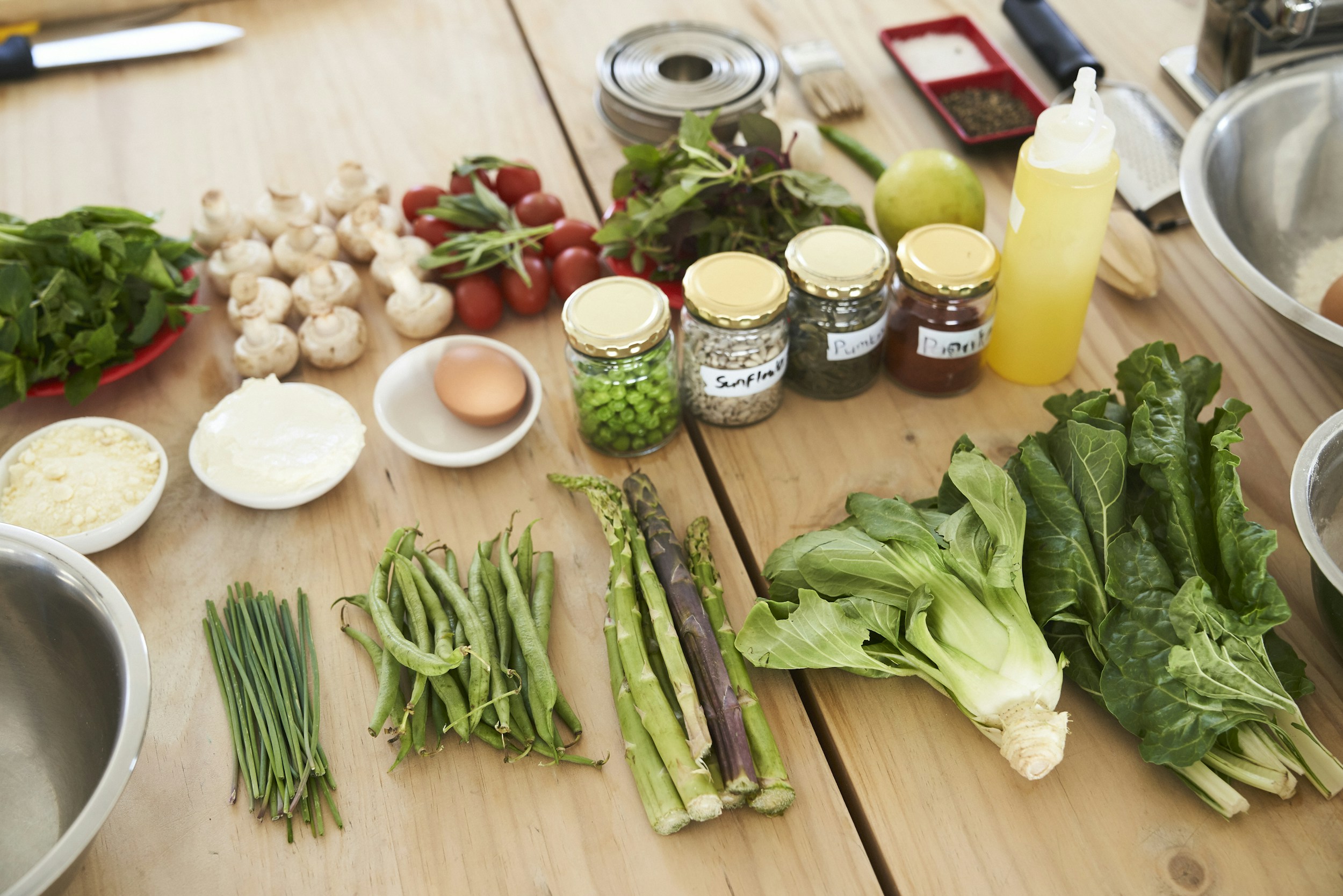
You've probably heard a lot about probiotics — the live bacteria found in yoghurt, kefir, and supplements. But here's something the wellness industry doesn't talk about nearly enough: probiotics are only as useful as the food you give them. And that food is called a prebiotic.
Most people focusing on gut health are trying to add more good bacteria. But if you're not feeding the bacteria already living in your gut, you're building a restaurant with no kitchen. Prebiotics are the ingredients your gut microbiome actually runs on — and the research is increasingly clear that they matter more for long-term gut health than any probiotic supplement you can buy.
Here's everything you need to know about prebiotic foods: what they are, which ones are most effective, how much you need, and — crucially — how to introduce them without spending the week feeling like a slowly inflating balloon.
What Are Prebiotics?
Prebiotics are a type of dietary fibre that humans can't digest — but your gut bacteria can. When you eat prebiotic foods, the indigestible fibres pass through your stomach and small intestine largely intact, arriving in your large intestine where your resident bacteria ferment them for energy.
This fermentation process has two important outcomes. First, it selectively feeds beneficial bacterial strains like Bifidobacterium and Lactobacillus, helping them grow and outcompete less desirable microbes. Second, the fermentation produces short-chain fatty acids (SCFAs) — particularly butyrate, propionate, and acetate — which are the primary fuel source for your colon cells, reduce gut inflammation, and help regulate the immune system.
Key point: Not all fibre is prebiotic. Prebiotic fibres are specifically fermentable by beneficial bacteria and selectively promote their growth. Regular insoluble fibre (like wheat bran) adds bulk to stool but doesn't have the same targeted microbiome effect.
The most studied prebiotic compounds include inulin, fructooligosaccharides (FOS), galactooligosaccharides (GOS), and resistant starch. These are found naturally in a wide range of plant foods — most of which you've almost certainly got in your kitchen right now.
Prebiotics vs Probiotics: Which Matters More?
Both have a role to play, but they work very differently. Probiotics introduce new bacterial strains into the gut — usually transiently, since most don't permanently colonise the microbiome. Prebiotics, on the other hand, nourish and strengthen the bacterial communities that are already there.
Think of it this way: probiotics are like adding new staff to a workplace, while prebiotics are like paying the existing team properly so they actually want to stay and do a good job.
Research published in the journal Gut Microbes found that consistent prebiotic intake produced more durable, measurable changes in microbiome composition than short-term probiotic supplementation. A diverse, well-fed microbiome is more resilient, better at producing SCFAs, and more protective against gut permeability issues often linked to conditions like IBS, anxiety, and systemic inflammation.
The smartest gut health strategy? Use both — but prioritise getting prebiotics consistently through your diet rather than relying solely on expensive supplements.
The Best Prebiotic Foods
Here are the most effective and accessible prebiotic foods, ranked by prebiotic fibre content and practical usefulness in everyday eating:
1. Garlic
Garlic is one of the richest sources of inulin and FOS available in any supermarket. Just one to two cloves provides a meaningful prebiotic dose. Raw garlic is more potent than cooked, but even lightly cooked garlic retains significant prebiotic activity. It also has antimicrobial properties that selectively suppress harmful bacteria without harming beneficial strains — a rare combination.
2. Onions and Leeks
Onions and leeks are from the same allium family as garlic and deliver generous amounts of inulin and quercetin, a flavonoid that also supports gut barrier integrity. Raw onion (red onion especially) has higher prebiotic content than cooked, but both forms are beneficial. Leeks are particularly high in the prebiotic fibre FOS and tend to be gentler on the gut than raw onion.
3. Jerusalem Artichoke
Gram for gram, Jerusalem artichoke (also called sunchoke) is one of the highest prebiotic fibre foods in existence, containing up to 19g of inulin per 100g. This is extraordinarily potent — which is why it earns the nickname “fartichoke” among those who dive in too enthusiastically. Start with very small amounts and build slowly. Roasting reduces some of the prebiotic intensity while keeping it beneficial and much more tolerable.
4. Chicory Root
Chicory root is the source of most commercial inulin and FOS supplements — so eating it in food form is essentially getting the supplement version in its whole-food package. You'll often find chicory root in coffee alternatives and some herbal teas. It has one of the highest concentrations of inulin of any natural food source and has strong research backing for increasing Bifidobacterium populations specifically.
5. Oats
Oats are the most practical, daily-use prebiotic food on this list. They contain beta-glucan, a soluble fibre with extensive research behind it for feeding beneficial bacteria, reducing cholesterol, and supporting immune function. A standard bowl of porridge (about 40g dry oats) provides 2–3g of beta-glucan. Rolled oats and steel-cut oats are better than instant oats, which have been more heavily processed and have a lower prebiotic fibre integrity.
6. Unripe (Green) Bananas
Here's one most people get wrong: ripe, sweet yellow bananas have very little prebiotic activity. But unripe green bananas are packed with resistant starch — a type of prebiotic fibre that feeds bacteria in the colon rather than being digested by the small intestine. As bananas ripen, that resistant starch converts to regular sugar. So if you want the gut benefit, buy them green and eat them before they fully yellow. Green bananas are also lower in glycaemic load, which is a useful bonus.
7. Cooked and Cooled Potatoes (and Rice)
This one surprises people. When you cook starchy foods like potatoes and white rice and then cool them in the fridge overnight, something called retrogradation occurs — the starch molecules reorganise into a resistant starch structure. This resistant starch is then fermented by gut bacteria rather than digested normally. Reheating from cold partially preserves this, making next-day potato salad or chilled rice a genuinely prebiotic food that wasn't prebiotic when freshly cooked.
8. Asparagus
Asparagus is a good source of inulin and FOS, particularly when eaten lightly cooked or raw. It's also rich in folate and vitamin K. About six spears delivers a useful prebiotic dose and is gentle enough for most people to tolerate without significant gas production — making it a good entry point for those new to increasing prebiotic intake.
9. Apples
Apples contain pectin, a soluble fibre with prebiotic properties. Pectin increases SCFA production, particularly butyrate, and has been shown to increase the abundance of beneficial bacteria including Bifidobacterium and Faecalibacterium prausnitzii — a strain strongly associated with gut health and lower inflammation markers. Eat apples with the skin on for maximum effect.
10. Legumes (Lentils, Chickpeas, Black Beans)
Legumes are rich in galactooligosaccharides (GOS) and resistant starch, making them dual-action prebiotic foods. Canned legumes are fine — rinse them well to reduce the oligosaccharides on the outer surface (which are the main culprit in gas production). Regular consumption of legumes is one of the strongest dietary predictors of microbiome diversity in population studies.
How Much Prebiotic Fibre Do You Actually Need?
The current scientific consensus suggests that around 5–8g of prebiotic fibre per day is a meaningful therapeutic dose for microbiome benefits. Most people in the UK and US consume less than 2g daily.
Total dietary fibre recommendations are 25–30g per day for adults, but prebiotic fibre specifically is a subset of that. You can hit your prebiotic target without dramatically overhauling your diet — adding a bowl of oats, half an onion cooked into your dinner, and a handful of chickpeas to a salad gets you most of the way there.
Quick daily prebiotic target: 1 serving of oats (2–3g beta-glucan) + 1 clove of garlic or half an onion in cooking (1–2g inulin/FOS) + a small serving of legumes or cooled potato (2–3g resistant starch) = approximately 5–8g prebiotic fibre. That's a realistic, achievable daily baseline.
How to Introduce Prebiotic Foods Without the Bloating
This is the part most articles skip over — and it's the reason so many people try to “eat healthier” and end up feeling worse before they give up. When you suddenly increase prebiotic fibre intake, your gut bacteria ferment it rapidly and produce gas as a byproduct. This is normal, temporary, and actually a sign that your bacteria are doing their job. But it can be very uncomfortable if you go too fast.
Here's how to introduce prebiotic foods intelligently:
- Start low and go slow. Begin with one small prebiotic food daily for the first week — a portion of oats or a small side of asparagus. Don't add five new prebiotic foods in the same week.
- Cook your vegetables first. Cooking breaks down some of the prebiotic fibre structure, making it easier to tolerate initially. Raw garlic and onion are significantly more gas-producing than cooked versions. Start with cooked, then gradually introduce raw as your gut adapts.
- Rinse canned legumes thoroughly. The liquid in canned beans and lentils (aquafaba) contains high concentrations of oligosaccharides that cause gas. Rinsing for 30 seconds under cold water reduces this significantly.
- Chew thoroughly and eat slowly. Chewing starts the breakdown process mechanically and signals your digestive system to prepare. Poorly chewed high-fibre food is harder for bacteria to ferment cleanly.
- Stay hydrated. Fibre without adequate water can slow transit time and worsen bloating. Aim for at least 1.5–2 litres of water daily when increasing fibre intake.
- Give it 3–4 weeks. Most people notice a significant reduction in gas and bloating within three to four weeks of consistent prebiotic intake as their bacterial populations adapt and diversify.
Easy Prebiotic Meal Ideas
Knowing the foods is one thing; putting them into meals you'll actually eat is another. Here are some practical combinations that stack prebiotic foods without requiring a complete dietary overhaul:
Breakfast
Steel-cut or rolled oats with a sliced green (unripe) banana and a teaspoon of ground flaxseed. This gives you beta-glucan, resistant starch, and additional soluble fibre in one bowl.
Lunch
A salad with roasted asparagus, a handful of chickpeas (rinsed from a can), sliced apple, and a simple dressing. Add some sliced raw red onion if you're tolerating it well.
Dinner
Any protein with a base of lentils or cooled roasted potato, cooked with garlic and leeks. This is where the majority of your daily prebiotic intake can quietly happen — you won't even notice it because it just tastes like a normal meal.
Snacks
A small banana (green-tipped), an apple with the skin on, or a small pot of hummus (chickpeas again) with vegetable sticks. These are low-effort, high-impact choices that add to your daily prebiotic total without any real planning.
Who Should Be Careful With Prebiotics
For most people, gradually increasing prebiotic foods is straightforwardly beneficial. But there are some situations where caution is warranted:
- People with IBS (especially IBS-D or IBS-C with FODMAP sensitivity): Many prebiotic foods — garlic, onions, leeks, Jerusalem artichoke — are high-FODMAP, meaning they can trigger significant symptoms in sensitive individuals. If you have diagnosed IBS and are sensitive to FODMAPs, work with a registered dietitian before dramatically increasing prebiotic intake. Lower-FODMAP prebiotic options like oats, unripe bananas, and firm tofu are a better starting point.
- People with SIBO (Small Intestinal Bacterial Overgrowth): Feeding bacteria with prebiotics when you have bacterial overgrowth in the wrong place can worsen symptoms significantly. SIBO should be treated before optimising prebiotic intake.
- Post-antibiotic recovery: In the immediate aftermath of a course of antibiotics, introducing large amounts of fermentable fibre can cause significant discomfort as the disrupted microbiome tries to rebalance. Gentle introduction over several weeks is the right approach here.
Bottom line: Prebiotics are some of the most evidence-backed tools available for improving gut health through diet. They're not exotic, expensive, or complicated — they're garlic, oats, onions, and lentils. The goal isn't a perfect diet overnight; it's building consistent prebiotic habits that give your gut bacteria a reliable, varied food supply every single day.
Your gut microbiome is a living ecosystem that responds to what you feed it. Give it the right raw materials consistently, and the downstream effects — better digestion, less bloating, stronger immunity, and even improved mood — tend to follow. Start with one prebiotic food you already enjoy, add it to your daily routine, and build from there. That's not a dramatic intervention. It's just good, consistent nutrition.