Inside your gut right now, there are approximately 38 trillion microorganisms — bacteria, fungi, viruses, and archaea — outnumbering your own human cells by roughly 1.3 to 1. This community, collectively known as the gut microbiome, weighs around 1–2 kilograms and carries 150 times more genes than your own genome.
The more scientists study it, the more extraordinary its role in human health appears. This is your introduction to the ecosystem inside you.
What Is the Gut Microbiome?
The term "microbiome" refers to the collective genetic material of the microbial community. The microbial community itself is the "microbiota." In everyday usage, both terms are used interchangeably to refer to the community of microorganisms living in the gut.
Approximately 99% of your gut microbiota lives in the large intestine (colon), where conditions — warm, moist, and oxygen-free — are ideal for bacterial life. The small intestine contains far fewer bacteria due to its faster transit time, acidic environment, and the presence of bile.
The dominant bacterial phyla in a healthy gut are:
- Firmicutes (50–75%) — includes Lactobacillus and many butyrate producers
- Bacteroidetes (25–50%) — includes Bacteroides and Prevotella, important for fibre fermentation
- Actinobacteria (~3%) — includes Bifidobacterium, crucial for immune development
- Proteobacteria (~1%) — includes E. coli; elevated levels associated with inflammation
Diversity is the goal: A healthy microbiome is characterised by high species diversity — many different types of bacteria coexisting in balance. Loss of diversity (dysbiosis) is associated with virtually every chronic disease studied, from obesity to depression to autoimmune conditions.
What Does the Gut Microbiome Actually Do?
Digestion and Nutrient Extraction
Humans lack the enzymes to digest dietary fibre and many plant compounds. Gut bacteria break these down through fermentation, producing short-chain fatty acids (SCFAs) — butyrate, propionate, and acetate — that provide energy to gut lining cells, regulate appetite, and have systemic health effects.
Immune System Training
70–80% of your immune cells are in or adjacent to the gut. Your microbiome actively trains these cells to distinguish pathogens from harmless food antigens, prevents excessive immune responses (autoimmunity and allergy), and maintains the gut barrier that separates the bloodstream from the external environment.
Neurotransmitter Production
Gut bacteria produce approximately 95% of the body's serotonin, significant amounts of GABA precursors, and other neuroactive compounds. They influence the vagus nerve — the physical cable linking gut and brain — and help regulate mood, appetite, and stress responses.
Vitamin Synthesis
Gut bacteria synthesise vitamins K2, B12, biotin, folate, and thiamine. While dietary intake remains essential, your microbiome contributes meaningfully to your vitamin status.
Protection Against Pathogens
A dense, diverse microbial community occupies binding sites on the gut lining that pathogens would otherwise colonise — a mechanism called "colonisation resistance." This is why antibiotic use (which destroys the protective community) predisposes to C. difficile infection.
What Shapes Your Microbiome?
Your microbiome is unique — as individual as a fingerprint. Identical twins share only about 34% of their gut microbial species. What shapes it:
- Birth mode: Vaginal birth exposes newborns to Lactobacillus-rich birth canal microbiota. C-section births miss this and have measurably different early microbiomes.
- Breastfeeding: Breast milk contains human milk oligosaccharides (HMOs) — complex sugars that specifically feed Bifidobacterium infantis. Formula-fed infants develop different microbiomes.
- Diet: The single most powerful ongoing influence on adult microbiome composition.
- Antibiotics: A single course can reduce diversity by 25%, with some species not recovering for months.
- Geography and environment: Rural populations and those with greater nature contact tend to have more diverse microbiomes.
- Stress, sleep, and exercise: All independently alter microbial composition.
What Is Dysbiosis?
Dysbiosis — an imbalance in the gut microbial community — can take many forms: reduced diversity, overgrowth of pathobionts (potentially harmful bacteria), depletion of keystone species, or migration of bacteria to areas where they shouldn't be (like the small intestine in SIBO).
Conditions consistently associated with gut dysbiosis include: obesity, type 2 diabetes, IBD, IBS, rheumatoid arthritis, multiple sclerosis, depression, anxiety, autism spectrum disorder, Parkinson's disease, and colorectal cancer.
Whether dysbiosis is cause or consequence in many of these conditions is still debated — but the correlation is so consistent that improving gut health has become a therapeutic target across medicine.
How to Improve Your Microbiome
The evidence converges on the same foundations regardless of your starting point:
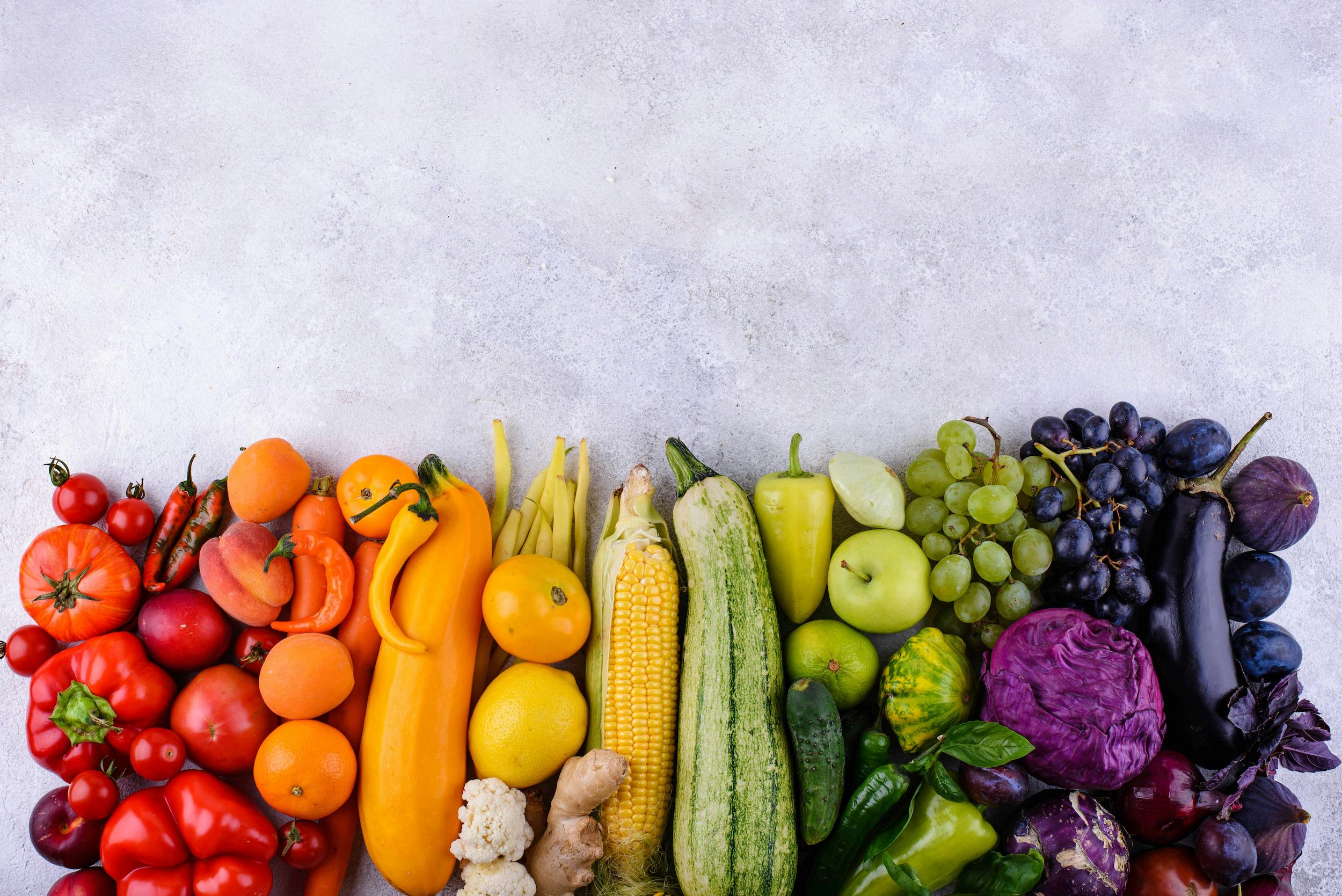
- Eat 30+ different plant foods per week (fibre diversity drives microbial diversity)
- Include fermented foods daily (kefir, yoghurt, kimchi, sauerkraut)
- Minimise ultra-processed food, excess sugar, and seed oils
- Exercise regularly (150+ minutes moderate activity per week)
- Prioritise 7–9 hours of sleep with consistent timing
- Manage chronic stress through mindfulness, breathwork, or therapy
- Avoid unnecessary antibiotics
- Spend time in nature — exposure to environmental microorganisms supports diversity
Start today: You don't need a testing kit, a special programme, or expensive supplements to improve your microbiome. The most evidence-backed changes — more plant diversity, fermented foods, and reduced ultra-processed food — are accessible to anyone.