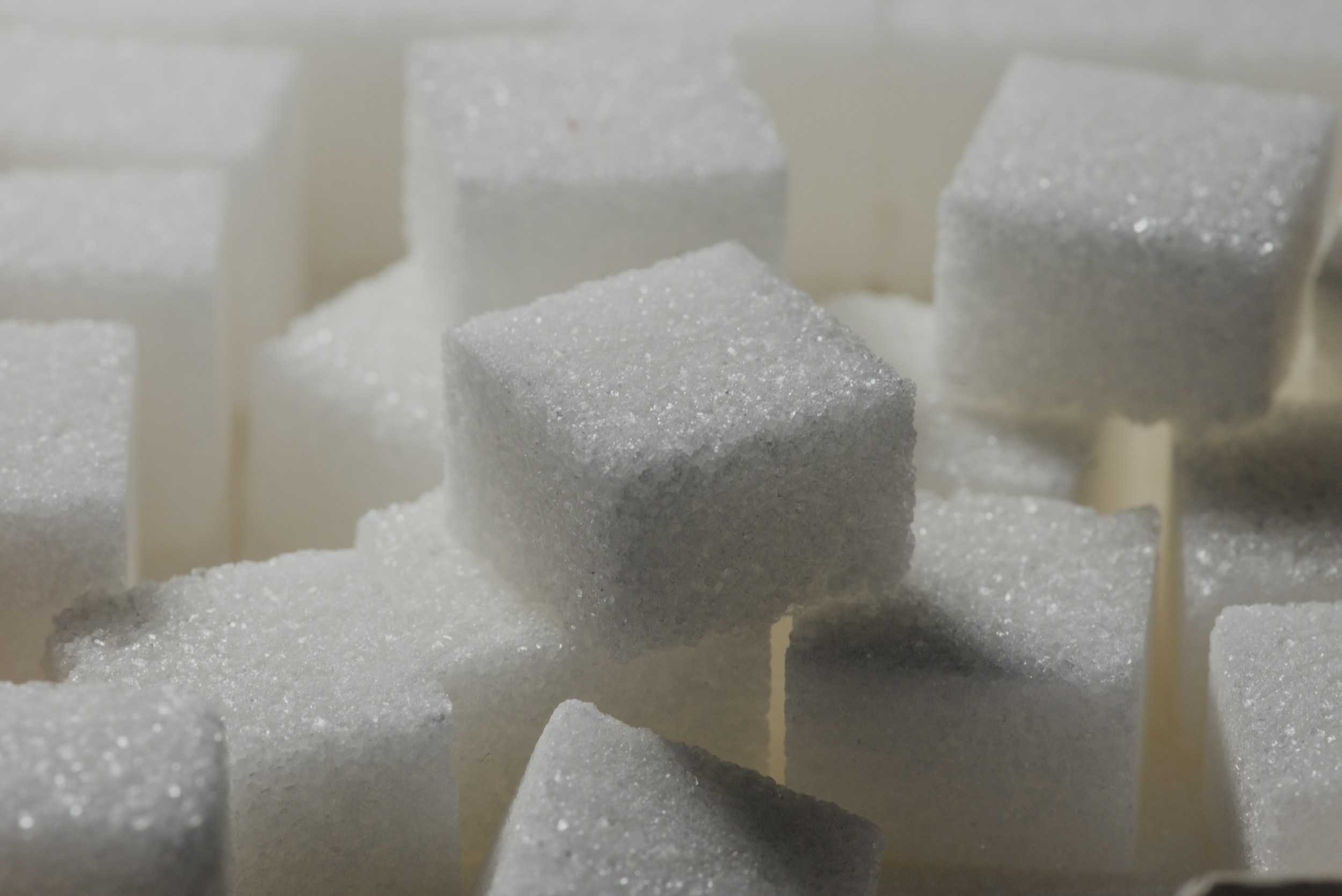
Sugar gets a lot of bad press, and some of it is deserved. But the real story — particularly when it comes to your gut microbiome — is more specific than “sugar is bad, avoid it.” The type of sugar matters. The source matters. The dose matters enormously. And the way your gut bacteria respond to different sugars is a genuinely fascinating piece of biology that has direct consequences for your digestion, immunity, mood, and long-term health.
So let's get into the actual numbers, the mechanisms, and the practical stuff you can do without swearing off birthday cake forever.
Why Your Gut Bacteria Care About Sugar
Your gut is home to trillions of microorganisms — bacteria, fungi, viruses, and more — collectively known as your microbiome. These microbes don't just sit there; they actively compete for food, produce chemicals that affect your entire body, and live or die based on what you eat.
Here's the thing: not all gut bacteria like the same things. Beneficial bacteria — species like Lactobacillus, Bifidobacterium, and Faecalibacterium prausnitzii — thrive on complex carbohydrates, fibre, and resistant starch. They ferment these foods and produce short-chain fatty acids (SCFAs) like butyrate, which feed your gut lining, reduce inflammation, and support immune function.
Harmful or opportunistic bacteria, on the other hand, tend to prefer simple sugars — particularly fructose and glucose in their free, rapidly-absorbed forms. When you eat a lot of added sugar, you're essentially fertilising the bacteria you don't want to encourage, while starving the ones you do.
This isn't just a minor imbalance. Research published in journals like Cell and Nature has shown that high-sugar diets can measurably shift microbiome composition within just 24 to 48 hours. That's how quickly your gut environment can start to change.
Key mechanism: Excess sugar feeds pro-inflammatory gut bacteria, reduces microbial diversity, thins the protective mucus layer of your gut lining, and triggers low-grade systemic inflammation — all of which compound over time.
Not All Sugars Are Equal
When people say “sugar,” they usually mean the white granulated stuff on your kitchen counter — sucrose. But your body and your gut bacteria encounter many different forms of sugar, and they respond to each one differently.
Glucose
Glucose is your body's primary fuel. It gets absorbed quickly in the small intestine, meaning very little of it reaches your gut microbiome in the colon. In moderate amounts, it's handled well. In large amounts, it spikes insulin rapidly and can feed certain harmful bacterial populations.
Fructose
This is where things get more complicated. Fructose is found naturally in fruit (alongside fibre, vitamins, and antioxidants) but is also a major component of high-fructose corn syrup and table sugar. Free fructose — particularly in liquid form — is processed primarily by the liver, but when intake is high, excess fructose travels to the colon where gut bacteria ferment it rapidly. This can cause bloating, gas, and dysbiosis. Some research suggests fructose is more disruptive to the microbiome than glucose at equivalent doses.
Lactose
Lactose is the sugar in dairy. For people with sufficient lactase enzyme production, it's well absorbed. For those who are lactose intolerant, undigested lactose reaches the colon and is fermented by bacteria — which is what causes bloating and discomfort. It's not necessarily harmful to your microbiome, but it's a signal of poor absorption.
Artificial Sweeteners
Often marketed as the safe alternative, artificial sweeteners like saccharin, sucralose, and aspartame have a complex relationship with gut bacteria. Several studies — including a notable 2022 paper in Cell — found that sweeteners like sucralose and saccharin can significantly alter microbiome composition and impair glucose tolerance in some individuals. They're not a free pass.
Natural Sugars in Whole Foods
The sugar in a whole apple is chemically the same fructose you'd find in a fizzy drink — but the context is completely different. Whole fruits come packaged with fibre, water, polyphenols, and other compounds that slow sugar absorption and actively feed beneficial gut bacteria. This is why the source of your sugar matters as much as the amount.
The Numbers That Actually Matter
The World Health Organization recommends that free sugars — meaning added sugars plus sugars naturally present in honey, syrups, and fruit juices — should make up less than 10% of total daily energy intake, with additional benefits below 5%. In practical terms:
- For an average adult: less than 50g of free sugars per day at the 10% threshold, ideally less than 25g per day
- The UK NHS guideline: no more than 30g of added sugar per day for adults
- The American Heart Association recommends: no more than 36g per day for men, 25g for women
But here's what those numbers mean in real food terms — because “30 grams” is abstract until you see it on a plate:
- A single 330ml can of cola contains around 35g of sugar — already over the daily limit in one drink
- A standard fruit yoghurt can contain 15–20g of added sugar
- A tablespoon of ketchup contains around 4g of sugar
- A bowl of many branded breakfast cereals can deliver 10–15g of sugar before you've added anything
The gut microbiome threshold: Some microbiome researchers suggest that for measurable negative effects on bacterial diversity to occur, consistently exceeding 50–75g of added sugar per day is the danger zone. However, even at 30–40g per day, subtle shifts in bacteria populations begin to occur over weeks and months.
The takeaway: the official guidelines aren't overly strict. They sit roughly at the level where your microbiome can still recover and maintain healthy diversity — but many people are consuming two to three times that amount without realising it.
The Worst Offenders for Your Microbiome
Not all high-sugar foods do equal damage. These are the formats most associated with microbiome disruption:
Sugar-Sweetened Beverages
Liquid sugar is absorbed faster than solid food sugar because there's no fibre, protein, or fat to slow it down. Fizzy drinks, fruit juices, energy drinks, and sweetened coffees deliver large sugar loads rapidly. Multiple studies identify sugar-sweetened beverages as the single most damaging dietary source for gut health.
Ultra-Processed Snack Foods
Biscuits, cakes, crisps with flavouring, and cereal bars often combine high sugar with refined flour, emulsifiers, and preservatives — all of which have been independently linked to gut barrier disruption. It's a triple hit.
Low-Fat Flavoured Products
Low-fat yoghurts, sauces, and ready meals frequently replace fat with sugar to maintain palatability. People eating these thinking they're making healthy choices can unknowingly consume large amounts of added sugar.
Alcohol Mixers and Cocktails
Often overlooked, a single cocktail can contain 20–30g of sugar from mixers alone — and alcohol itself disrupts the gut lining independently of the sugar content.
Signs You're Eating Too Much Sugar for Your Gut
Your microbiome can't send you a text message, but it does send signals. Watch for these patterns, particularly if they occur frequently:
- Persistent bloating — especially after meals containing fruit, sweet sauces, or processed foods
- Unpredictable bowel movements — swinging between loose stools and constipation, which can indicate microbial imbalance
- Strong sugar cravings — ironically, an overgrowth of sugar-feeding bacteria can drive cravings for more sugar, creating a feedback loop
- Fatigue after eating — blood sugar spikes followed by crashes leave you tired and foggy
- Increased frequency of colds or infections — since 70–80% of your immune system is gut-associated, a disrupted microbiome can mean weaker immunity
- Skin flare-ups — conditions like acne and eczema have been linked to gut dysbiosis driven by high sugar intake
- Low mood or anxiety — your gut produces around 90% of your serotonin; an unhappy microbiome can affect your mental state
None of these symptoms alone confirms a sugar problem, but if you're experiencing several of them together and your diet is high in added sugars, the connection is worth exploring.
How to Cut Back Without Feeling Deprived
Dramatic sugar elimination rarely works long-term. The gut microbiome actually responds well to gradual change, and slow reduction gives your taste receptors time to recalibrate so that less-sweet foods start to taste satisfying again.
Step 1: Audit Your Liquid Sugar First
Swapping sugary drinks for water, sparkling water, or herbal tea is the highest-impact single change most people can make. It often removes 50–100g of sugar per day without touching solid food at all.
Step 2: Read Labels on Sauces and Condiments
Ketchup, BBQ sauce, sweet chilli sauce, salad dressings, and pasta sauces are sugar delivery systems that most people don't count. Check grams per serving and opt for versions with less than 5g per 100g where possible.
Step 3: Replace Refined Sugar With Whole Fruit
If you want something sweet, whole fruit is genuinely a good choice for your gut microbiome. The fibre in fruit feeds Bifidobacterium and Lactobacillus species, the polyphenols act as prebiotics, and the fructose is absorbed slowly enough not to cause the rapid fermentation that processed sugar does.
Step 4: Add Bitter and Fermented Foods
One underappreciated strategy is adding foods that actively counteract sugar's damage. Bitter foods like rocket, chicory, and dark chocolate (85%+) stimulate digestive secretions and support microbial balance. Fermented foods like kefir, kimchi, and plain yoghurt introduce live bacteria that compete with sugar-loving pathogens.
Step 5: Don't Fear Natural Sugars in Context
A handful of dates, a banana, or a bowl of berries with full-fat yoghurt is not the enemy. The prebiotic fibre, antioxidants, and slower absorption profile of whole foods mean these sugars have a fundamentally different effect on your gut than the same amount of sugar in a processed product. Context is everything.
Practical goal: Aim to get your added sugar intake below 30g per day — not by eliminating joy, but by switching the format. Whole food sweetness supports gut health; extracted, processed sweetness undermines it.
The Bottom Line
Your gut bacteria are not passive bystanders to your diet — they are dynamic communities that respond to what you eat within hours. Sugar, in its refined and added forms, consistently feeds the bacteria you don't want, starves the ones you do, reduces the diversity that protects your health, and weakens the gut lining that keeps inflammation in check.
The threshold where real damage begins is lower than most people think — around 50g or more of added sugar daily puts you in territory where measurable microbiome disruption occurs. The sweet spot (forgive the pun) is keeping added sugars below 25–30g per day, while eating as many whole-food sources of natural sweetness as you like.
You don't have to cut sugar entirely. You just need to understand where it's coming from, what it's doing, and how to make swaps that your gut bacteria will actually thank you for. The good news is that the microbiome is remarkably responsive to change — studies show meaningful improvements in bacterial diversity within as little as two to three weeks of reducing added sugar intake. That's not a lifetime of sacrifice; that's a few weeks of intentional choices.
Start with your drinks. Then your sauces. Then let your taste buds adjust. Your gut bacteria will be doing a very different kind of fermentation — the beneficial kind — before you know it.