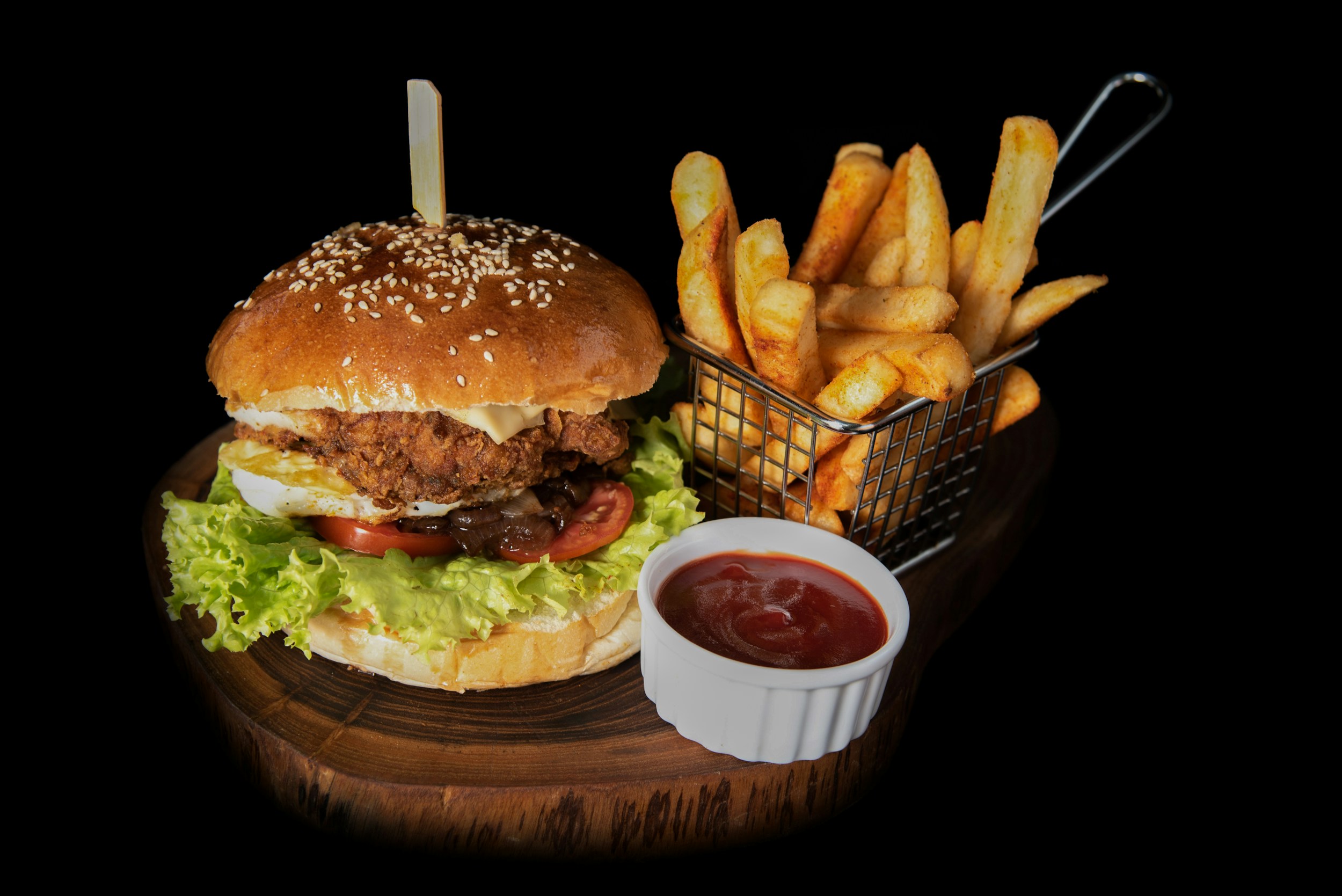
You didn't think twice about the burger and fries at the time. But an hour later, you're bloated, gassy, cramping, or making an emergency trip to the bathroom. Sound familiar?
Stomach pain after fast food is incredibly common — and it's not just a matter of eating “bad food.” There are specific, well-understood mechanisms that explain why your gut responds so strongly to a drive-through meal. Understanding them can help you make smarter choices and recover faster when it happens.
Why Fast Food Upsets Your Stomach
Fast food is, by design, engineered for taste and speed — not digestibility. It tends to be extremely high in fat, refined carbohydrates, sodium, and a cocktail of additives. Your digestive system, which evolved to process whole foods slowly, has to work overtime to manage this kind of meal.
The result? A cascade of reactions that can include bloating, cramping, diarrhoea, nausea, acid reflux, or that heavy “brick in the stomach” feeling that lingers for hours.
Key point: Your gut isn't being dramatic. It's responding exactly as it should to a food environment it wasn't designed to handle efficiently.
The Fat Overload Problem
One of the biggest culprits is fat — and most fast food meals deliver it in enormous quantities. A typical burger, fries, and milkshake combo can easily contain 60–80 grams of fat in a single sitting.
Here's why that's a problem for your gut:
- Fat slows gastric emptying. Your stomach holds food back and releases it slowly into the small intestine when fat is present. This causes that uncomfortable “too full” heaviness that won't quit.
- Fat triggers bile release. Your gallbladder dumps bile into your small intestine to help digest fat. A very large load of fat all at once can trigger an exaggerated response, speeding up contractions in the bowel — which is why some people get urgent diarrhoea after greasy meals.
- Saturated fat promotes gut inflammation. High saturated fat intake, even in a single meal, has been shown to temporarily increase intestinal permeability and inflammatory markers in the gut lining.
The Fried Food Factor
Fried foods add another layer of difficulty. The high-heat frying process creates compounds called advanced glycation end products (AGEs) and oxidised lipids, which are harder to break down and have been associated with gut inflammation and disrupted gut motility.
What Fast Food Does to Your Gut Bacteria
Your gut microbiome — the trillions of bacteria living in your digestive tract — is exquisitely sensitive to what you eat. And fast food can disrupt it remarkably quickly.
A landmark study published in Gut found that switching to a diet high in processed, low-fibre foods could measurably alter the composition of gut bacteria within just three to four days. The bacteria that thrive on fibre and whole foods begin to decline, while bacteria associated with inflammation start to dominate.
When your gut bacteria are disrupted, digestion becomes less efficient. You produce more gas, your bowel movements become erratic, and your gut lining may become more reactive — all of which translate into the symptoms you feel after eating fast food.
Did you know? Your gut microbiome can shift significantly after just one fast food meal if your baseline diet is relatively clean. The more consistently you eat whole foods, the harder your gut reacts when you don't.
The Hidden Problem: Additives and Emulsifiers
Beyond fat and calories, fast food is loaded with ingredients that have surprisingly direct effects on gut health.
- Emulsifiers (like polysorbate 80 and carboxymethylcellulose) are used to improve texture and shelf life. Research — including studies from Georgia State University — has shown they can erode the mucus layer lining the gut, increasing intestinal permeability and triggering low-grade gut inflammation.
- Artificial sweeteners found in diet drinks and some sauces have been shown to alter gut bacteria composition and may worsen digestive symptoms, particularly in people with IBS.
- Excess sodium can draw water into the intestines and contribute to bloating and fluid retention.
- Refined carbohydrates (white buns, processed starches) are rapidly fermented by gut bacteria, producing gas quickly — which explains the bloating that kicks in within 30–60 minutes of eating.
If You Have IBS or a Sensitive Gut
For people with irritable bowel syndrome (IBS) or other functional gut conditions, fast food is essentially a perfect storm of triggers. Many fast food ingredients are high in FODMAPs — fermentable carbohydrates that are poorly absorbed and rapidly fermented in the gut. Think the fructose in ketchup, the lactose in milkshakes, and the fructans in burger buns.
If you notice that fast food affects you significantly more than it seems to affect other people, a sensitivity to FODMAPs or an underlying gut condition like IBS may be contributing. It's worth speaking with a GP or registered dietitian if this is a regular experience.
How Long Do Symptoms Last?
This depends on your gut health baseline, how much you ate, and which symptoms you're experiencing.
- Bloating and gas: Usually peaks within 1–2 hours and resolves within 4–6 hours for most people.
- Cramping and urgency: Often resolves within a few hours, though it can linger if the meal was very large or high in fat.
- The “heavy” feeling: Can last 4–8 hours due to slowed gastric emptying from high fat content.
- Gut microbiome disruption: Minor disruption from a single meal typically resolves within 1–2 days if you return to a fibre-rich diet.
How to Feel Better Faster After Fast Food
If you're already in the middle of it, here are evidence-informed strategies to ease the discomfort:
- Walk for 10–15 minutes. Light movement stimulates gut motility and can help move gas through the digestive tract more quickly. Even a gentle post-meal walk makes a measurable difference.
- Drink peppermint tea. Peppermint has antispasmodic properties that can relax the smooth muscle of the digestive tract, easing cramping and bloating.
- Try a warm compress. Placing a warm water bottle or heat pack on your abdomen can ease cramping and support gut muscle relaxation.
- Stay hydrated. Fast food is very high in sodium, which can contribute to fluid retention and discomfort. Drinking water helps.
- Avoid lying down immediately. Lying flat after a high-fat meal significantly increases the risk of acid reflux. Stay upright for at least an hour.
- Return to whole foods at your next meal. Getting fibre back in — vegetables, legumes, wholegrains — quickly starts to support your gut bacteria recovery.
Quick tip: A probiotic supplement taken within a day of a disruptive meal may help restore gut bacterial balance more quickly, particularly strains like Lactobacillus acidophilus and Bifidobacterium longum.
Long-Term Effects on Digestion
Occasional fast food is unlikely to cause lasting harm for most people. But regularly eating it — say, multiple times per week — is associated with some significant digestive consequences over time.
- Reduced microbiome diversity. A consistently low-fibre, high-processed-food diet leads to a less diverse gut microbiome, which is associated with more frequent digestive symptoms, weaker gut immunity, and a higher risk of conditions like IBS.
- Increased gut permeability. Chronic exposure to emulsifiers, saturated fat, and low fibre intake has been linked to a more permeable gut lining — sometimes called “leaky gut” — which can contribute to systemic inflammation.
- Slower transit time. Regular high-fat, low-fibre diets tend to slow gut motility, increasing the risk of constipation and the associated symptoms of bloating and discomfort.
- Greater sensitivity. Paradoxically, the more often you eat in a way that disrupts your gut, the more reactive it may become — making symptoms worse over time rather than better.
The Bottom Line
Your stomach hurts after fast food because your gut is doing exactly what it's supposed to: flagging a meal that's difficult to process, disruptive to your microbiome, and inflammatory to your gut lining. The symptoms are uncomfortable, but they're information.
For most people, the occasional fast food meal is manageable — especially if your day-to-day diet is rich in fibre, fermented foods, and whole ingredients that keep your gut bacteria thriving. The trouble comes with frequency and consistency.
If fast food regularly leaves you suffering, it may be worth examining both how often you're eating it and whether an underlying gut sensitivity is amplifying your response. A healthier gut baseline means more resilience — and occasionally, a guilt-free burger that your stomach can actually handle.