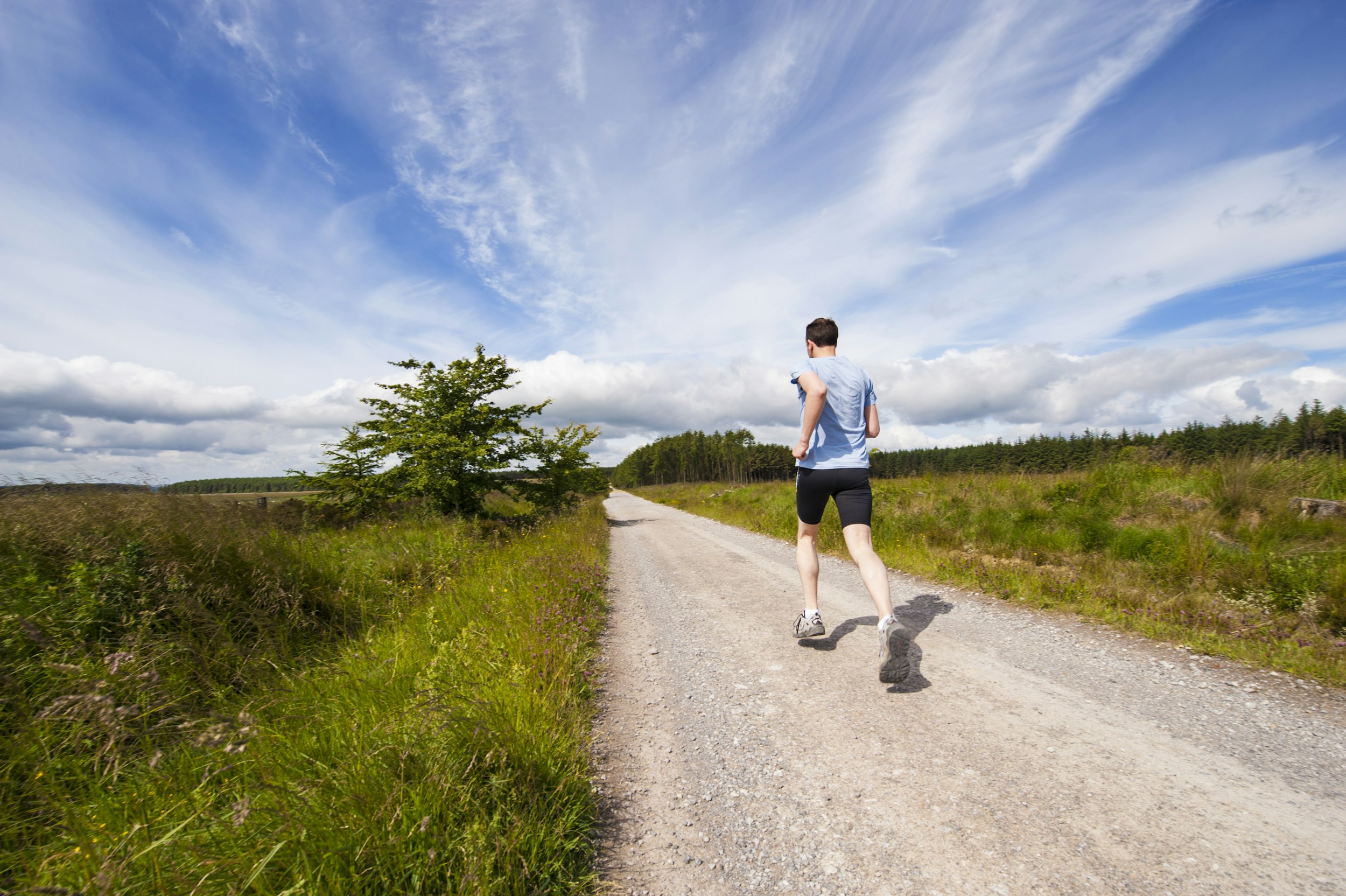
You are three miles into a morning run when it hits. A deep, urgent cramping in your lower abdomen. A gurgling that no amount of willpower can ignore. You start scanning the route for bushes, public toilets, or anywhere that will do. Sound familiar?
You are far from alone. Studies suggest that between 30 and 60 percent of long-distance runners regularly experience gastrointestinal distress during or after running, with urgency and loose stools being among the most common complaints. Runners even have a nickname for it: runner's diarrhoea, sometimes called “runner's trots.”
The good news is that this is not just bad luck or a weak stomach. There are clear, well-understood physiological reasons it happens — and very practical ways to prevent it.
What Is Runner's Diarrhoea?
Runner's diarrhoea refers to the loose, urgent, or frequent bowel movements that occur during or immediately after running, particularly during longer or more intense efforts. It can range from mild urgency that you manage to hold until you get home, to an emergency situation mid-run that catches you completely off guard.
Symptoms typically include:
- Sudden urge to defecate during a run
- Loose or watery stools during or after exercise
- Lower abdominal cramping or gurgling
- Nausea, especially during high-intensity efforts
- In some cases, urgency severe enough to cause accidents
It tends to affect runners more than cyclists or swimmers, which gives us an important clue about the mechanism: the mechanical impact of running plays a significant role.
Why Running Triggers Your Bowels
There is not one single cause of runner's diarrhoea. Several overlapping mechanisms contribute, and understanding them helps you target solutions much more effectively.
1. Physical Jolting of the Intestines
Unlike cycling or swimming, running involves repetitive, high-impact vertical movement. Every stride sends a shockwave through your body, including your digestive tract. This mechanical jostling physically moves intestinal contents along at a faster-than-normal rate, accelerating transit time and triggering the urge to go before your colon has had time to properly absorb water. The result is loose, urgent stools.
This is why the problem is far more common in runners than in other endurance athletes. It is not just a cardiovascular or dietary issue — it is partly biomechanical.
2. Blood Flow Diversion
During vigorous exercise, your body redirects blood away from non-essential systems and toward the muscles and heart. Your digestive tract can lose up to 80 percent of its usual blood flow during intense running. This state of reduced gut perfusion is called splanchnic hypoperfusion, and it causes the intestinal lining to become more permeable, less functional, and more reactive.
Without adequate blood supply, the gut cannot properly absorb fluid or regulate motility. Peristalsis — the wave-like muscle contractions that move food through your intestines — can become erratic and accelerated, pushing contents through faster than normal and preventing proper water reabsorption in the colon.
3. Hormonal Changes During Exercise
Running triggers a significant hormonal cascade. Adrenaline (epinephrine) and other stress hormones are released to prepare your body for high output. One of adrenaline's side effects is stimulating colonic motility. Your bowel literally interprets the hormonal state of exercise as a signal to clear out.
Additionally, a hormone called motilin — which controls the migrating motor complex, essentially the gut's housekeeping wave — is elevated during exercise and fasting, and this can accelerate transit time significantly.
4. Dehydration and Electrolyte Imbalance
When you sweat heavily during a run, fluid and electrolytes are lost. If you do not replace them adequately, the gut compensates by drawing water from the intestinal contents into the bloodstream — but this process is imperfect under physiological stress. The result can be osmotic imbalances in the gut that irritate the lining and trigger loose stools.
Ironically, over-drinking plain water without electrolytes can also cause problems, diluting sodium levels and further disrupting gut function.
5. Pre-Run Anxiety
The gut-brain axis means that psychological state has a direct, measurable impact on gut motility. Pre-race nerves or even the anticipatory excitement before a long training run activate the sympathetic nervous system, which directly stimulates colonic activity. Many runners notice they need to go to the toilet multiple times before an event even starts — this is the gut-brain connection in full effect.
Key insight: Runner's diarrhoea is almost never caused by a single factor. It is usually a combination of physical jolting, reduced blood flow, hormonal changes, and diet interacting together. This means prevention requires a multi-pronged approach.
The Gut Microbiome Connection
Emerging research is adding another layer to our understanding: the health and composition of your gut microbiome significantly influences how your gut responds to the stress of running.
Studies comparing elite athletes with sedentary individuals consistently show that regular, moderate exercise increases gut microbial diversity — a marker of gut health. Runners tend to have higher levels of Veillonella atypica, a bacterium that converts lactate (a by-product of exercise) into propionate, a short-chain fatty acid that supports intestinal integrity.
However, there is a threshold effect. While moderate training supports gut health, very high training loads — particularly in endurance athletes running high weekly mileage — can damage the intestinal lining. This is sometimes called exercise-induced leaky gut. When tight junctions in the gut wall loosen due to splanchnic hypoperfusion and physical impact, bacteria and their by-products can move into the bloodstream, triggering inflammation and worsening GI symptoms during subsequent runs.
A compromised microbiome — perhaps from a history of antibiotics, a low-fibre diet, or chronic stress — makes this damage more likely and recovery slower. Runners with lower microbial diversity tend to report more GI symptoms during training.
This means that investing in your gut microbiome is not just good general health advice — it is a legitimate performance strategy for runners.
Foods That Make It Worse
What you eat in the 24 to 48 hours before a run significantly affects your risk. Some foods are notorious offenders, and eliminating them before longer efforts can make an enormous difference.
High-FODMAP Foods
FODMAPs (Fermentable Oligosaccharides, Disaccharides, Monosaccharides, and Polyols) are short-chain carbohydrates that ferment rapidly in the gut, producing gas and drawing water into the intestine. Before a long run, eating high-FODMAP foods is asking for trouble. Common culprits include:
- Onions and garlic
- Apples, pears, and stone fruits
- Beans and lentils
- Wheat-based bread and pasta in large quantities
- Milk and soft cheeses
- Cauliflower and broccoli
High-Fat and High-Fibre Meals
Both fat and insoluble fibre slow gastric emptying when at rest but can cause chaos when you start running. Eating a large, fatty meal the evening before a race or a high-fibre breakfast two hours before a long run are common triggers. Fat in the intestine stimulates the gastrocolic reflex — the urge to empty the bowel — and this response is amplified by the physical stress of running.
Caffeine
Many runners rely on coffee or caffeinated gels for performance. Caffeine is a known stimulant of colonic motility, which is why your morning coffee often triggers a bowel movement. For some runners this is useful timing — clearing the bowel before a run. But for others, caffeine during a run (from gels or energy drinks) triggers urgency mid-effort at the worst possible time.
Artificial Sweeteners and Sports Supplements
Many energy gels, chews, and sports drinks contain sweeteners like sorbitol, maltitol, or xylitol, all of which have laxative effects when consumed in meaningful quantities. Some runners experience significant GI distress simply from their fuelling strategy, not from running itself.
Quick tip: Keep a simple food and symptom diary for two to three weeks, noting what you ate in the 24 hours before each run and how your gut responded. Patterns usually become clear within two weeks, and you will quickly identify your personal triggers.
How to Prevent Runner's Diarrhoea
Prevention is not about eating less or running less. It is about strategic adjustments to timing, diet, hydration, and gut health that collectively reduce your risk to a manageable level.
Time Your Meals Carefully
Allow at least two to three hours after a substantial meal before running. For very long or intense efforts, a four-hour gap from your last significant meal is safer. Your pre-run meal or snack should be small, low in fat, low in fibre, and easily digestible. White rice with banana, a plain bagel with peanut butter, or a small portion of oats are popular choices among distance runners for good reason.
Train Your Gut
The gut is highly adaptable. Just as you train your cardiovascular system to handle higher workloads, you can train your gut to tolerate running with food in it. Practice eating and running regularly during training — never try a new food or fuelling strategy on race day. Over time, the gut becomes better at maintaining function under exercise stress.
Optimise Hydration
Start every run well-hydrated rather than trying to catch up mid-run. Drink electrolyte-containing fluids, not just plain water, especially for runs over 60 minutes. Sodium is the key electrolyte for gut function during exercise, so look for sports drinks or electrolyte tablets that contain meaningful sodium levels (at least 300 to 500mg per litre).
Experiment with Running Timing
Many runners find morning runs, done before eating anything and after a morning bowel movement, almost eliminate their symptoms. If you typically run in the evening after meals, shifting to morning running may solve the problem entirely. The downside is that fasted running at higher intensities can affect performance, so weigh the trade-offs.
Establish a Pre-Run Bowel Routine
Using the toilet before running sounds obvious, but making it a deliberate, timed ritual helps enormously. Wake up early enough to have time to eat a small breakfast, drink coffee if that is part of your normal routine, and allow natural bowel movements to occur before you head out. Rushing out the door without time for this is a reliable way to end up in difficulty.
Strengthen Your Gut Microbiome
A resilient, diverse microbiome is better equipped to handle the stresses of running. Practical steps include:
- Eating 30 or more different plant foods per week to increase microbial diversity
- Including fermented foods like kefir, yoghurt, kimchi, and sauerkraut regularly
- Prioritising sleep, as poor sleep significantly reduces microbiome diversity
- Managing chronic stress, which directly impairs gut barrier function
- Considering a quality probiotic, particularly strains like Lactobacillus rhamnosus and Bifidobacterium longum, which have evidence for reducing exercise-induced GI symptoms
Review Your Fuelling Products
If your symptoms primarily occur during longer runs when you are using gels or chews, the fuelling products themselves may be the problem. Switch to products that use glucose-fructose blends rather than fructose alone (the gut can absorb more carbohydrate per minute with a mix of transport proteins), and avoid products containing sugar alcohols or artificial sweeteners. Practice with any new products extensively in training before using them in races.
Consider Magnesium Timing
Magnesium is popular among runners for muscle recovery, and rightly so, but it also has a well-known laxative effect. If you take a magnesium supplement, take it in the evening rather than the morning before a run. This small timing adjustment can make a meaningful difference.
When to See a Doctor
For most runners, the strategies above will significantly reduce or eliminate symptoms within a few weeks. However, there are situations where runner's diarrhoea may be a signal of an underlying condition that warrants medical attention.
See a GP or gastroenterologist if:
- You experience blood in your stool after running
- Symptoms occur at rest, not just during exercise
- You have significant unexplained weight loss alongside GI symptoms
- Symptoms are severe enough to consistently prevent you from completing runs
- You notice symptoms worsening despite dietary and lifestyle changes
- You have a family history of inflammatory bowel disease or colorectal cancer
Conditions like irritable bowel syndrome (IBS), inflammatory bowel disease (IBD), or coeliac disease can all be exacerbated by running and may need specific treatment before exercise-related symptoms improve. In these cases, self-management alone is insufficient.
Remember: Runner's diarrhoea is common but not something you simply have to put up with. With the right combination of dietary timing, gut microbiome support, and fuelling strategy, the vast majority of runners are able to train and race without GI disruption.
Running is one of the best things you can do for your gut microbiome over the long term. Research consistently shows that regular moderate running increases microbial diversity, strengthens the gut barrier, reduces gut inflammation, and improves transit time. The short-term inconvenience of managing runner's diarrhoea is absolutely worth solving — because the long-term benefit to your gut health from keeping up your training is enormous.
Start with the lowest-hanging fruit: adjust your meal timing, identify your food triggers, and give yourself time to use the toilet before every run. These three changes alone resolve the problem for many runners. From there, you can layer in microbiome support and fuelling optimisation to fine-tune things further.
Your gut and your running are not at odds. With a little strategy, they can work very well together.